 5.8M views
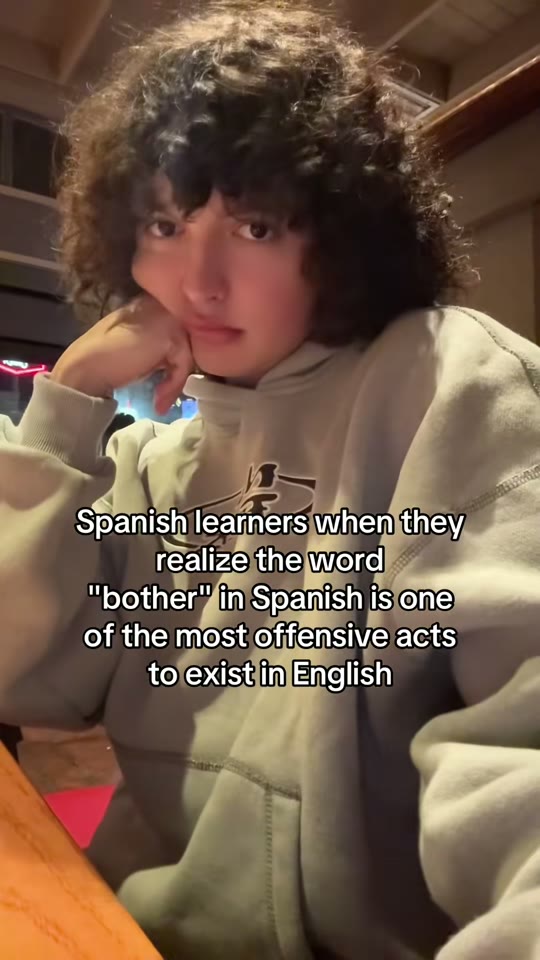
“learning so much on parrot”
Parrot is a Spanish-only learning app aimed at second-generation Latinos who grew up without the language, plus anyone who wants to follow Bad Bunny and corridos without subtitles. It teaches conversational and cultural Spanish rather than textbook drills, and promises fluency in a year if you stay consistent.
5.8M views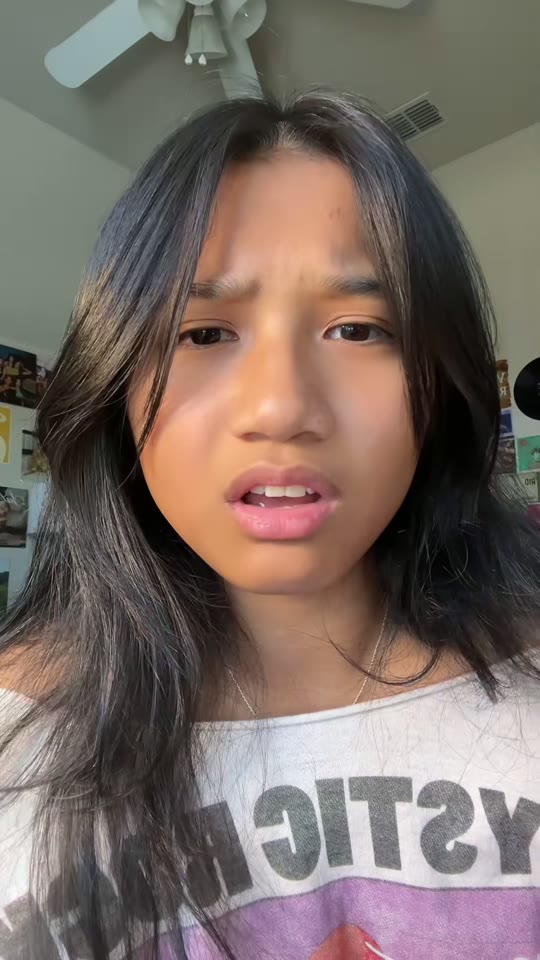 3.1M views
 2.6M views
The campaign's three biggest hits. We take them apart below.
Parrot did not make good videos. It made 4,149 of them. The median post got 1,363 views, 17 posts carried nearly half the campaign, and the plan was to keep posting until a few caught.
Over six months (Sep 2025 to Mar 2026) Parrot's creator campaign pulled 76.8M views across 4,149 TikTok and Instagram posts. But the average is a lie: the median post got just 1,363 views, and 1,514 posts (36%) never cleared 1,000. Seventeen posts crossed a million and carried 44% of the total; the top 3% of posts carried 80%. The operation ran on 24 accounts posting about 30 times a day, and two creators (ana and jess) pulled 56% of all views with 17% of the posts. The winning content was a creator on camera with one emotional line of text, naming the app freely. It was not a better format that won. It was volume and variance.
It did not grow because every post worked. It grew because a few accounts posted enough emotional Spanish hooks that a handful caught fire.
This is a lottery with a long tail. 24 creator accounts posted 4,149 times over six months, about 30 a day. The median post got 1,363 views and more than a third died under 1,000. But 17 posts crossed a million and those alone carried 44% of the 76.8M. Growth did not come from every post working, or from a clever format. It came from posting enough emotional Spanish hooks that a few caught, then letting those winners pay for the graveyard.
Of 4,149 posts, only 17 crossed a million views and 103 crossed 100K. More than 1,514 got under 1,000. The median post got 1,363 views. A handful of drama hits carried the whole 76.8M.
These are real posts from connor, the same creator whose "learning so much on parrot" did 5.8M. Same face, same app, same style of hook, captured after time online. They got 39, 21, and 1 view. The difference is not the hook. It is the draw. The lesson is not "write a better post," it is "buy more tickets."
5.8M views“learning so much on parrot”
3.1M views“with Parrot, nothing's getting past me”
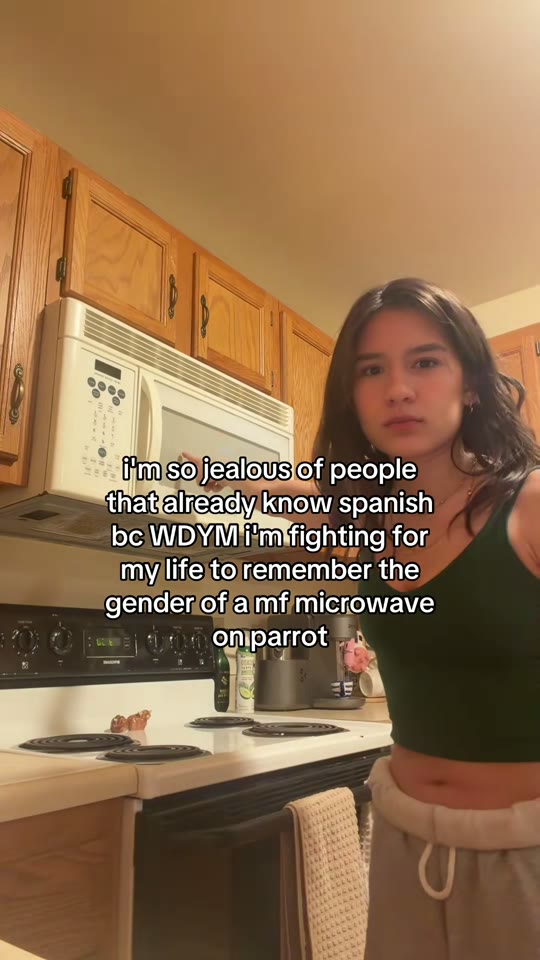
2.6M views“i hate it here”
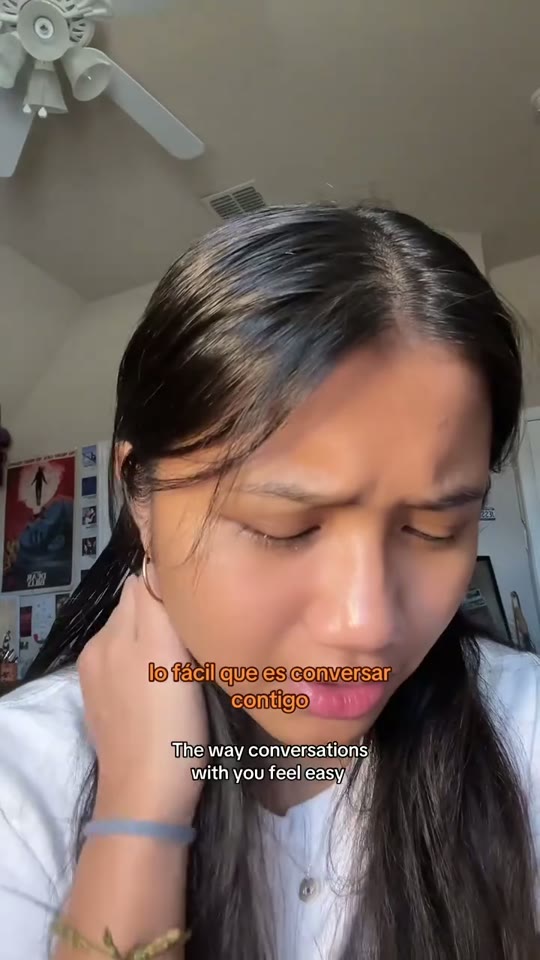 2.3M views
“swear this will get all them baddies (fully a joke tho i use parrot)”
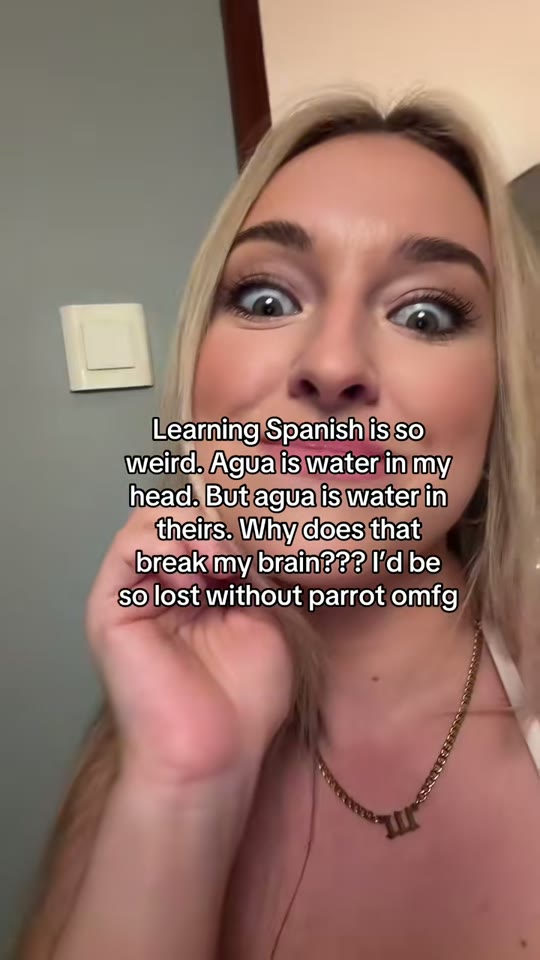 1.9M views
“Parrot has helped me smmmmm”
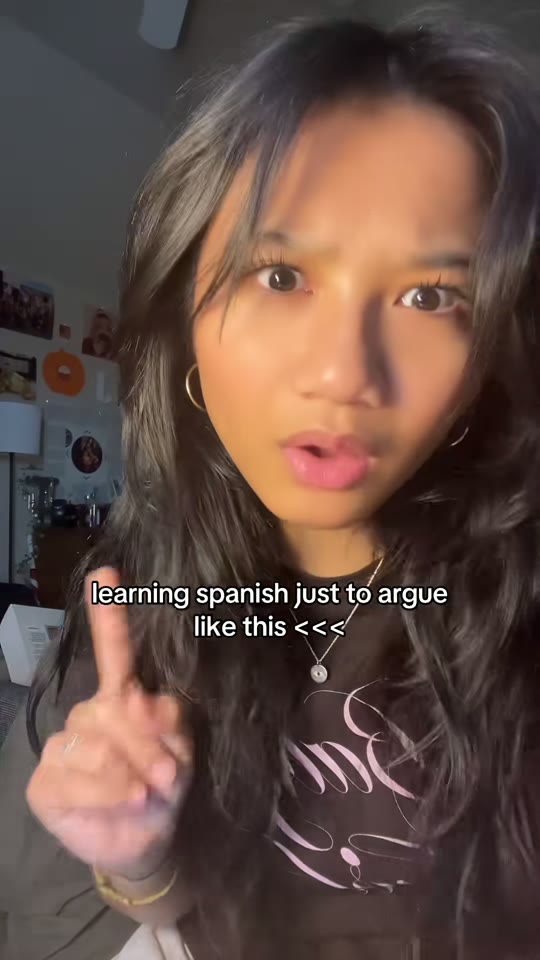 1.8M views
“literally parrot is keeping me seasoned”
Connor's 5.8M hit and these 39-view posts are the same person, same app, same format. The feed decided, not the hook.
Same creator as the 5.8M hit, same face, same app named in the caption. It got 39 views. Nothing about the post explains the gap.
Connor again, the same casual-mention formula that did millions elsewhere. 21 views. The formula did not break, the feed just did not pick it up.
One view. The winners and the graveyard are made of the same material. That is what a lottery looks like from the inside.
Format was tagged on only 281 of the 4,149 posts, so read this as a sample, not a census. Two things stand out. The split leans on text-over-video: a creator on camera with one line of text, no product screen. And it kills a common myth: on that sample the Hook + Demo format, the one that shows the app, did not underperform, it averaged more than the text formats. The product is not the problem. Volume and variance are the whole game. (Carousels, 9% of the sample, left off for space.)
49%A creator on camera with one emotional line of text over the shot: a reaction, a flex, a confession about learning Spanish. No product screen. This is the workhorse and every visible mega-hit is one of these.
e.g. “learning so much on parrot”
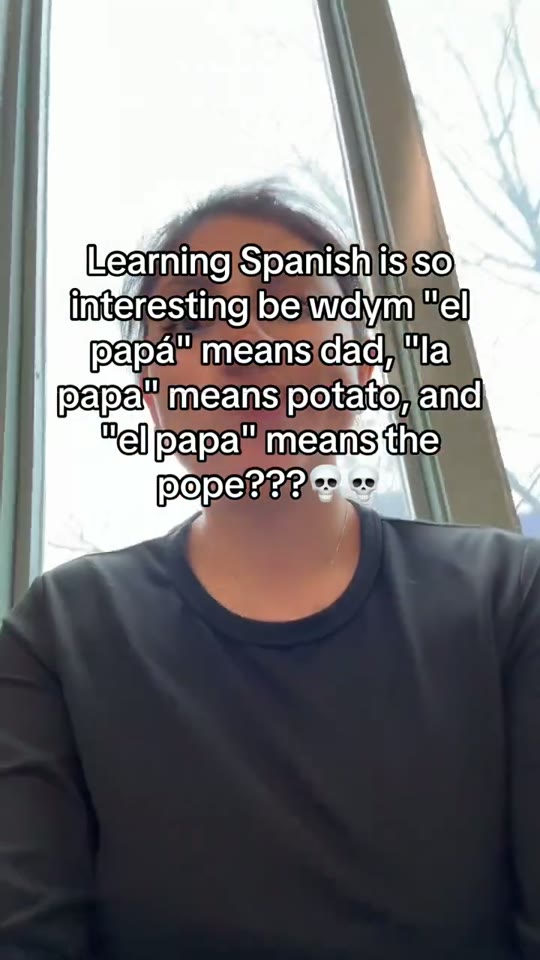 30%
30%A creator talks to camera about their Spanish, sometimes with text, sometimes just narrating. A real face, higher trust, used when the story wants a voice instead of a caption.
e.g. “Looking at my parrot lessons like ??!”
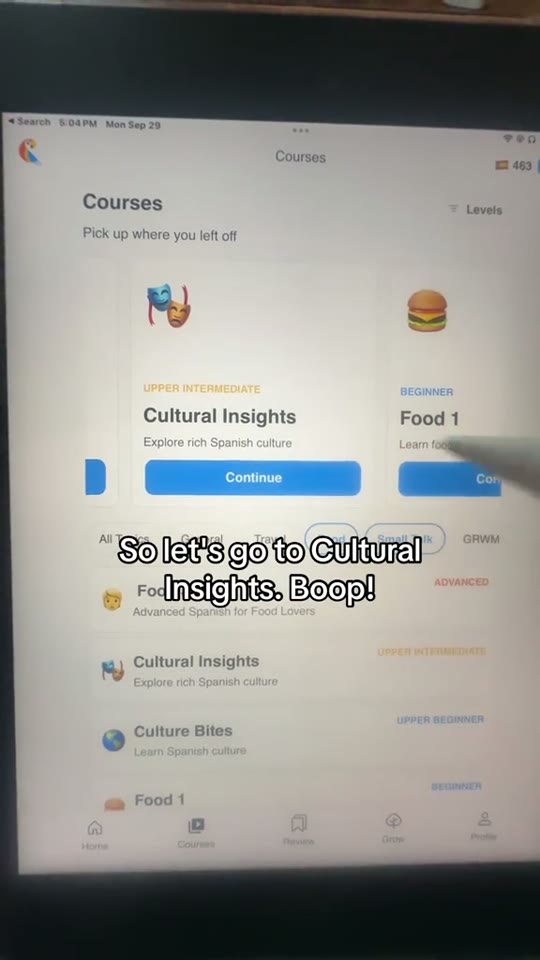 21%
21%The only format that puts the app on screen: an iPad or phone walking through the lessons. It never produced a viral in the visible top posts, but on the tagged sample it did not lose to the text formats either. It gives a floor, not a jackpot.
e.g. “the way i learned spanish sounds too good to be true”
24 accounts, but two of them pulled most of the views. The engine is not a single hook, it is a few creators posting relentlessly.
“connor.learningspanish”
best: “learning so much on parrot (5.8M)”
“jess.learnspanish”
best: “nothing's getting past me (3.1M)”
“ana.learningspanish”
best: “i hate it here (2.6M)”
about 30 posts a day across 24 accounts, seven days a week, with a two week break over the holidays. The volume ramps hard in January and never really dips.
The campaign averaged 18,513 views a post, which sounds healthy until you see the median: 1,363. More than a third of all 4,149 posts never cleared 1,000 views. When the average is 13 times the median, you are not looking at a content strategy, you are looking at a lottery. Most tickets are worthless. That is by design.
Out of 4,149 posts, just 17 crossed a million views, and those 17 carried 44% of the entire 76.8M. The top 3% of posts carried 80%. You do not win this game by making every post good. You win by making enough posts that a few become the 17, then leaning on those.
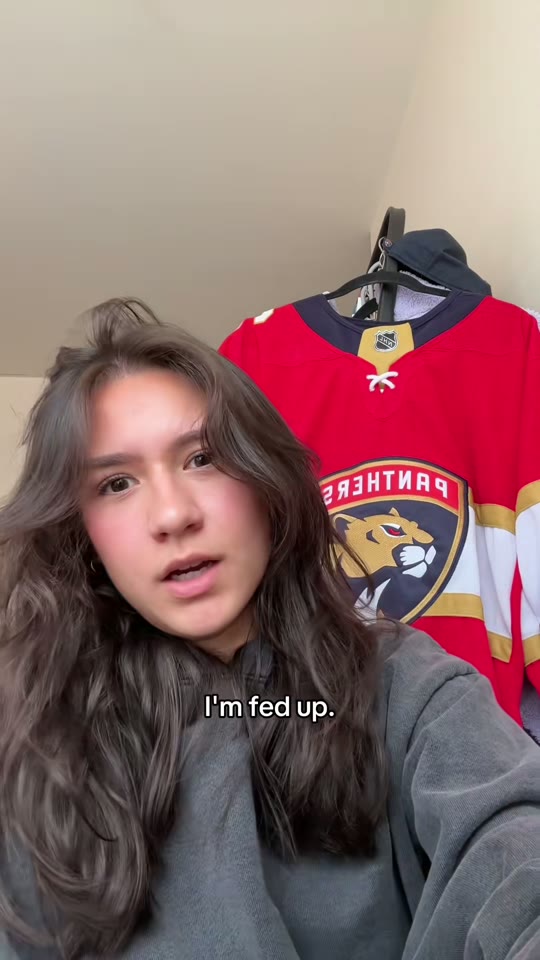
Connor's "learning so much on parrot" did 5.8M. Connor's "Parrot making a crazy difference" did 39. Same creator, same app, same format, same energy. There is no craft difference that explains 5.8M versus 39. The feed is the variance, and the only lever you control is how many times you pull it.
24 accounts were active, but two of them, ana and jess, pulled 56% of all views with 17% of the posts. The move is not to spread thin. It is to find the two or three creators who land, and give them the reps: 30 posts a day, seven days a week, for months.
The median post got 1,363 views. You do not win by perfecting one video, you win by buying enough tickets of the right kind.
24 accounts posted 30 times a day for months. 4,149 tickets to hit 17 jackpots. Post through a low hit rate on purpose.
A creator plus one emotional line of text can do 5M. The on-screen demo gives a steady floor but never a jackpot. Choose the ticket that can win big.
Parrot named itself in its biggest hits. Hiding the app is not the lesson. Volume and an emotional hook are.
Two accounts pulled 56% of the views. Find who lands and give them the reps instead of spreading effort evenly.
All 50 Parrot hooks with their real views, likes and format, as a spreadsheet you can sort and steal.
No spam. Unsubscribe anytime.
24 creator accounts posted 4,149 times over six months, about 30 a day. Most posts flopped (median 1,363 views, a third under 1,000), but 17 crossed a million and carried 44% of the total. The strategy was volume: post enough emotional Spanish hooks that a few catch, then lean on the winners and the two creators who consistently landed.
Because TikTok distribution behaves like a lottery. The campaign averaged 18,513 views a post, but that average is dragged up by 17 huge winners. The typical post got 1,363, and 1,514 posts never cleared 1,000. That is normal for this playbook: most tickets lose, a few win big, and volume is what makes the few winners show up.
No, and that is the surprise. Its biggest hits say "parrot" out loud in the caption. On the sample where format was tagged, the demo format that shows the app did not even underperform. Naming or showing the product is not what held videos back. The real driver is volume and the luck of the draw, not whether the app appears.
That is the point of studying these. DropUGC writes hooks in the winning style for your app, matches each to real creator footage, and drops finished ads every morning, which is exactly the volume this playbook needs. Your first drop of 6 is free.
DropUGC writes them in the winning style, matches each to real creator footage, and drops finished ads every morning.
No card needed · 6 free creatives · yours to download
Figures are public engagement metrics (views, likes, comments) and observable posting activity captured from the campaign's public posts on August 7, 2026. Format mix is share of classified posts. Independent analysis of public content.